How to Search Freedmen's Bureau Records Online: A Step-by-Step Guide
Learn how to search Freedmen's Bureau records, identify genealogical clues, and organize your discoveries using Krio Griot's historical research tools.
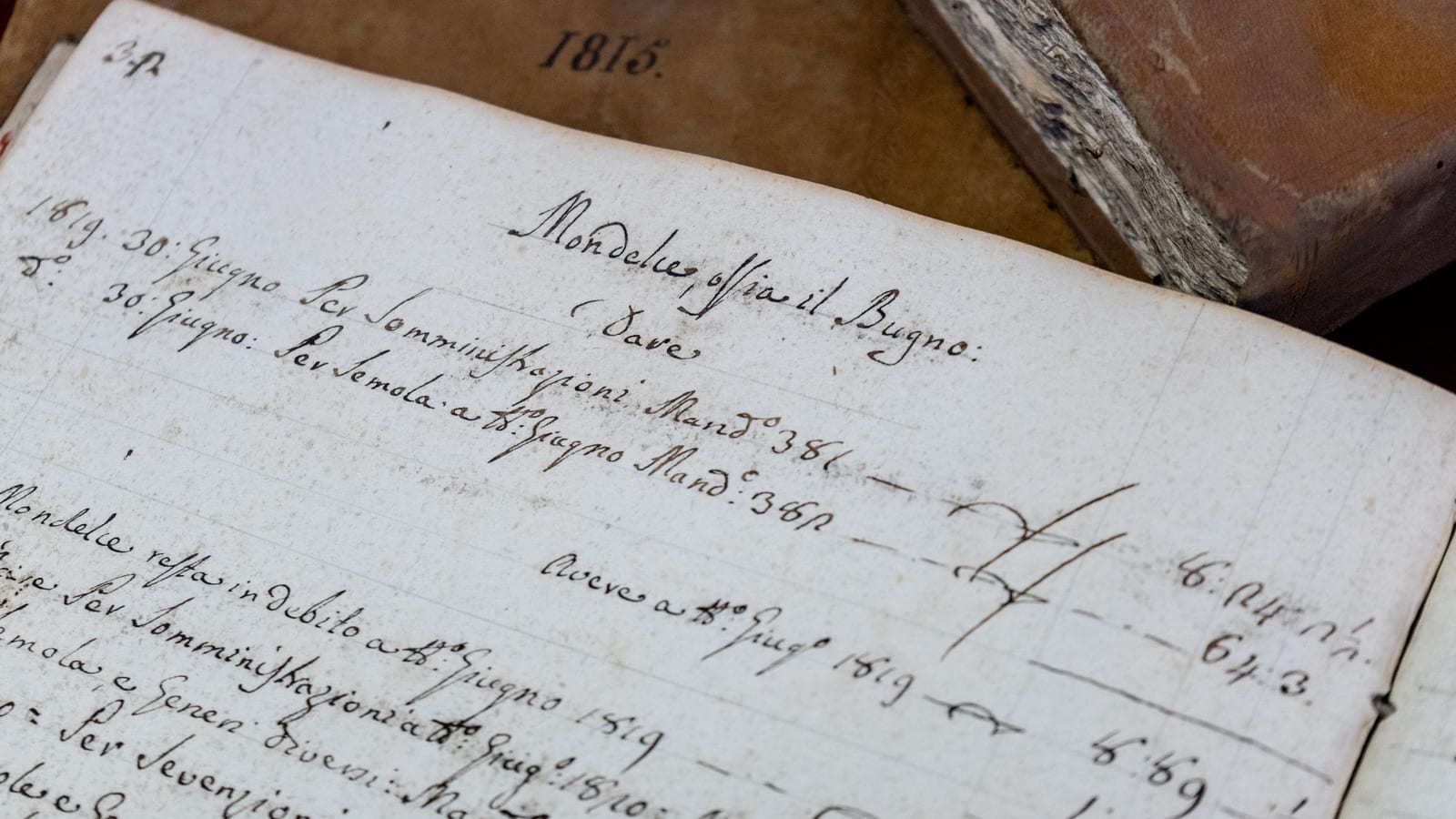
For many African American families, the years immediately following emancipation represent one of the most important periods in genealogical research. This was a time when formerly enslaved people began establishing new lives, formalizing marriages, negotiating wages, reuniting with relatives, and navigating the difficult transition from slavery to freedom.
Their experiences were documented in records that remain valuable to researchers today.
Among these sources are the Freedmen's Bureau records, a collection of federal documents that can provide information about individuals and communities during Reconstruction.
But where should you begin, and how can you determine whether a document relates to your family?
In this guide, we will explore what Freedmen's Bureau records contain, how to approach searching them, and how to use Krio Griot to organize and evaluate your historical research.
What are Freedmen's Bureau records?
The Bureau of Refugees, Freedmen, and Abandoned Lands, commonly known as the Freedmen's Bureau, was established by Congress on March 3, 1865.
Created near the end of the Civil War, the Bureau assisted formerly enslaved people and refugees with urgent challenges arising during Reconstruction.
Its responsibilities included supporting education, providing relief, supervising labor contracts, addressing legal complaints, and helping document marriages.
As Bureau officers performed these duties, they created correspondence, registers, agreements, reports, and other documents that sometimes preserved the names and experiences of individuals who are difficult to trace through earlier records.
The National Archives maintains these federal records as Record Group 105. Although the Bureau formally ended in 1872, related records and successor activities extend beyond its principal operating years.
For genealogists, these documents provide an opportunity to investigate family history between emancipation and the first post-Civil War federal census. They can also preserve references to relationships and experiences that began during slavery.
Why Freedmen's Bureau records matter for African American genealogy
The 1870 United States Census is often an important starting point for researching formerly enslaved African Americans because it was the first federal population census following emancipation.
However, it does not explain everything about the people it records.
Where did a particular family live in 1865? When did a couple marry? Who employed an ancestor after emancipation? Did someone seek assistance locating a family member?
Freedmen's Bureau records may provide clues to these questions.
For example, a labor contract could place an individual in a particular county several years before the 1870 census. A marriage register might identify a spouse. A complaint could mention relatives, witnesses, employers, or other people who were part of an ancestor's community.
Each document can become another piece of evidence.
The important distinction is that finding a matching name is not the same as identifying an ancestor. A convincing identification requires the careful comparison of names, dates, locations, relationships, and other historical evidence.
What types of records should you look for?
Freedmen's Bureau collections contain several categories of documents, each with different research possibilities.
Marriage registers — Spouses, marriage dates, family connections
Labor contracts — Workers, employers, locations, wages
Complaints and legal proceedings — Disputes, witnesses, testimony, relationships
Relief and ration records — Individuals or households receiving assistance
Hospital records — Patients, dates, and sometimes personal details
Educational records — Teachers, schools, and communities
Correspondence — Employment, family separation, property, and requests for assistance
Not every document contains genealogical details, and the information varies considerably by office and location.
This is why developing a research question before searching is so valuable.
- Step 1: Begin your Freedmen's Bureau research with Krio Griot
- https\://www.kriogriot.com
Krio Griot is an AI-assisted genealogy research platform designed to make historical records more accessible for ancestral discovery.
Rather than treating each historical reference as an isolated discovery, researchers can use Krio Griot as a central workspace for investigating individuals, examining possible connections, and documenting their findings.
Begin by identifying the person you want to research.
Collect whatever information you already know, including:
• Their full name and possible name variations.
• An approximate birth year.
• The state and county where they lived.
• Names of relatives and other household members.
• Relevant dates between 1865 and 1872.
• Any known employers, plantations, or communities.
For example, suppose your ancestor appears in the 1870 census in Louisiana. That census entry could provide a starting location for investigating earlier Reconstruction-era documents.
You do not need a complete family history to begin. You need a question grounded in the information you already have.
- Start your research at Krio Griot: https\://www.kriogriot.com
- Step 2: Search with names, locations, and historical context
An effective genealogical search rarely consists of entering a name once and accepting the first result.
Consider a hypothetical ancestor named Sarah Johnson, who appears in the 1870 census in Mississippi.
A researcher might begin with the name Sarah Johnson, then investigate variations such as Sarah Johnston or Sally Johnson when other evidence supports those possibilities.
The county where Sarah lived could be equally important.
In Krio Griot, begin with the available search functionality and use your ancestor's known details to guide the investigation.
If the initial results are too broad, narrow your research question. If they are too limited, reconsider the spelling, location, or date range.
For a Reconstruction-era investigation, useful questions might include:
Was Sarah Johnson living in this county between 1865 and 1870?
Are there labor agreements, marriages, or legal records associated with this surname and location?
Do any historical references mention people already known to be connected to Sarah's family?
These are questions to investigate, not assumptions the software can automatically prove.
Keep track of which searches returned useful information and which produced no relevant findings.
Step 3: Look beyond the individual name
One of the most productive techniques in African American genealogy is researching the people and places surrounding an ancestor.
This includes relatives, neighbors, witnesses, employers, and other individuals who appear repeatedly in historical documents.
Imagine finding a labor agreement that mentions someone with your ancestor's surname.
Before concluding that you have identified the correct person, consider the surrounding evidence.
Does the county match? Is the date plausible? Are known relatives mentioned? Does the employer's name appear in other documents connected to the family?
A single historical record may offer only a small clue. Several related records may provide a stronger basis for evaluating a possible connection.
Krio Griot's family history and research organization tools can help you keep your investigation centered on the people and relationships you are studying.
Remember that a shared surname does not establish a family relationship, particularly where common surnames occur frequently.
Step 4: Evaluate what the evidence actually establishes
Historical records must be interpreted in the context in which they were created.
A Freedmen's Bureau officer might record a person's name differently from a census enumerator. An individual's age might vary between documents. A location might refer to a plantation, town, district, or county rather than a precise residence.
These differences do not automatically invalidate a record, but they require investigation.
When evaluating a possible finding, ask:
Who created the record? An official report, personal statement, and later transcription can each contain different kinds of information.
When was it created? A document recorded at the time of an event may provide different evidence from a recollection written years later.
What does it actually say? Distinguish the words in the historical document from your interpretation of their meaning.
Can the information be supported elsewhere? Compare dates, locations, family connections, and other details with independent records.
Krio Griot includes evidence-grading capabilities intended to help researchers distinguish different kinds of findings and avoid treating uncertain information as established fact.
The purpose of evaluating evidence is not simply to accumulate names. It is to develop a family history that can be explained, supported, and revisited as new information becomes available.
Step 5: Preserve your findings and your research trail
A successful search is not necessarily one that produces an immediate answer.
Sometimes the most valuable outcome is identifying a new location, an unfamiliar surname, or a document that warrants closer examination.
Preserve that information carefully.
For each promising result, record the document title or description, date, people mentioned, location, holding institution, and available source reference.
Whenever possible, preserve enough citation information to locate the original document again.
Krio Griot's Research Log and related research tools support the practice of organizing investigations and keeping track of the evidence gathered.
Recording unsuccessful searches is also useful. Knowing where you have already looked can prevent repeated work and help you identify gaps in your research strategy.
Over time, these small observations become part of a more organized investigation.
Step 6: Examine original records when necessary
Digital tools can make historical information easier to discover, but genealogical research still depends on the underlying evidence.
Freedmen's Bureau documents are federal archival records preserved by the National Archives. Digitized copies, indexes, and transcriptions help researchers encounter them, but the original records remain the historical sources.
When Krio Griot helps you identify a potentially relevant document or research lead, examine the source information available for that finding.
If the original document is accessible, compare it with any transcription or summary.
Handwriting, abbreviations, damaged pages, and transcription mistakes can change how a name or statement is understood.
Some documents may also require additional archival investigation because not every surviving record is digitized, indexed, or available through a single research system.
Krio Griot is a starting point for discovering and organizing historical evidence—not a substitute for verifying that evidence.
Step 7: Connect Freedmen's Bureau evidence with other historical records
Freedmen's Bureau records are especially useful when considered alongside other documents from the same period.
A possible match may lead you to investigate a census household, marriage record, probate file, military record, or land transaction.
For example, a labor contract naming an individual in 1867 might provide a location to compare with the 1870 census.
A marriage record could offer a spouse's name that helps distinguish two people with otherwise similar identities.
A complaint might identify an employer whose land or probate records provide additional historical context.
Krio Griot supports a research approach that brings historical record discovery and family history investigation together.
The objective is not to force records into a predetermined family story. It is to follow the evidence wherever it leads.
Common mistakes to avoid
Searching only one spelling of a name. Historical names were not always recorded consistently. Examine reasonable variations supported by time, place, and context.
Assuming every formerly enslaved person appears in Freedmen's Bureau records. Many people were never documented in the surviving Bureau records, and some documents remain difficult to search.
Believing that a missing result means no record exists. An unsuccessful search may reflect incomplete indexing, missing records, or limitations in the collections currently accessible.
Accepting the first person with a matching name. Common names require additional evidence to establish identity.
Ignoring other people in a document. Relatives, witnesses, neighbors, and employers may provide important clues.
Failing to record sources. Without a research trail, promising discoveries become difficult to verify or revisit.
Frequently asked questions about Freedmen's Bureau records
Can Freedmen's Bureau records help me research family history before 1870?
Yes. Records created during Reconstruction may document individuals before their appearance in the 1870 federal census. Some also refer to relationships and events that began before emancipation. However, a record does not automatically establish a person's earlier identity.
What years do Freedmen's Bureau records cover?
The Bureau operated from 1865 until 1872. Its principal records date from those years, although some collections include earlier documents and records associated with later administrative activities.
Do Freedmen's Bureau records contain information about marriages?
Yes. Some Bureau records include marriage registers, certificates, and correspondence. The information available varies by location and document.
Why can't I find my ancestor in the records?
The spelling of the name may differ, the person may have lived in another jurisdiction, or the relevant document may not have survived or been indexed. Not every formerly enslaved individual appears in the collection.
Can Krio Griot identify my ancestor automatically?
Krio Griot assists with historical research and the organization of genealogical evidence. It cannot guarantee that a particular ancestor will be identified or that every research question will be resolved. Researchers still need to evaluate sources and determine whether the available evidence supports a proposed family connection.
Begin your historical record research with Krio Griot
The Freedmen's Bureau records preserve more than government transactions. They document aspects of the lives of people navigating freedom, family responsibilities, employment, education, and community rebuilding after the Civil War.
For their descendants, these records may offer important clues about individuals whose experiences have not been preserved in conventional family histories.
The research process may take time. Some discoveries will be straightforward; others will require comparing documents, investigating several individuals, and reconsidering earlier assumptions.
What matters is developing a careful and organized approach.
Explore Krio Griot and begin your historical record research: https\://www.kriogriot.com
Making Historical Records More Accessible for Ancestral Discovery.
Sources
- NARA Record Group 105: https\://www.archives.gov/research/guide-fed-records/groups/105.html
- NARA Freedmen's Bureau Overview: https\://www.archives.gov/publications/prologue/1997/summer/freedmens-bureau-records.html
-